
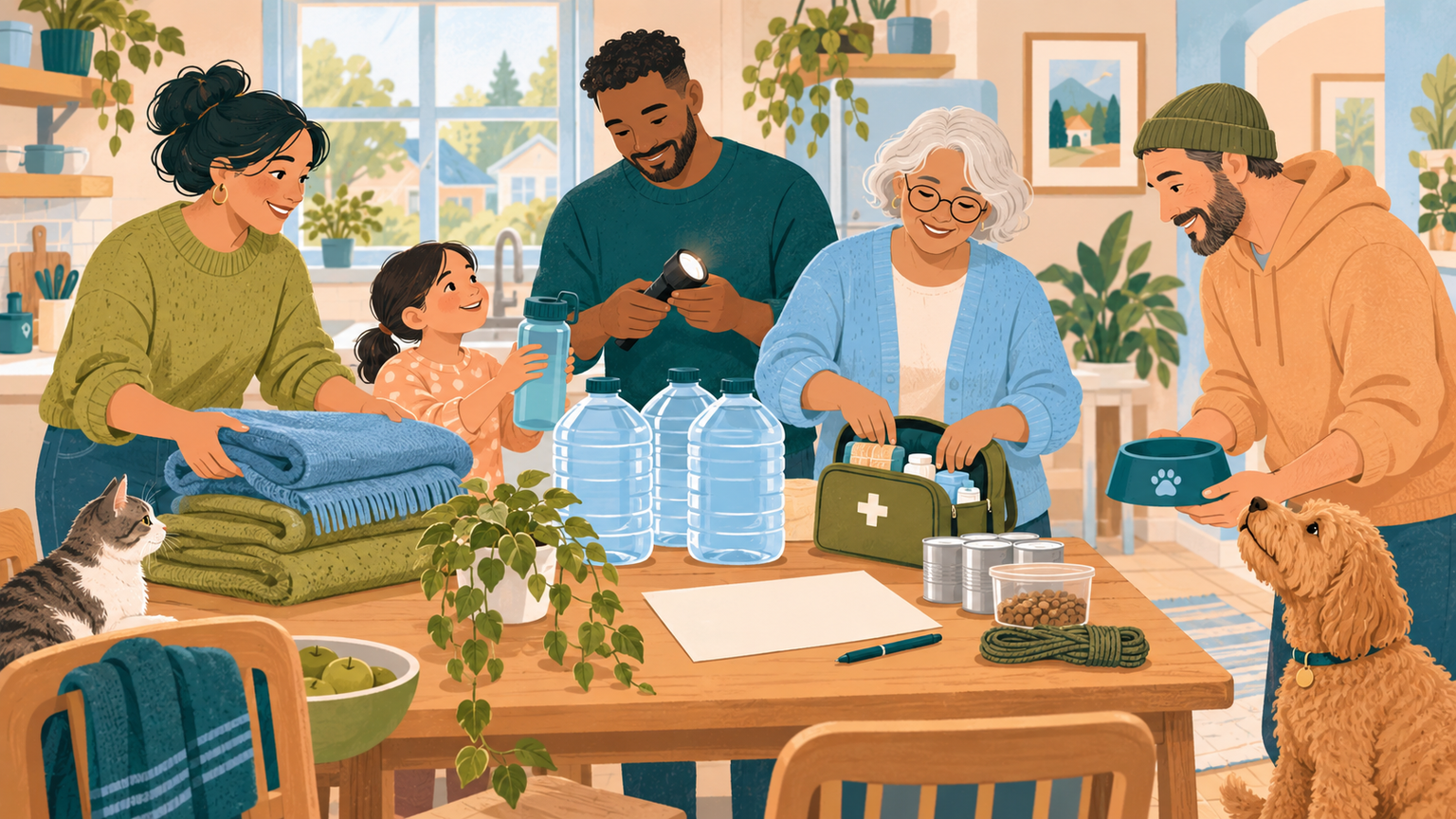
An emergency kit is not about predicting exactly what will happen. It is about making the first few hours less chaotic if the power goes out, a storm closes roads, water service is interrupted, or your family needs to leave home quickly.
A useful starting point is to plan for at least three days of basic supplies, then build toward a longer home supply based on your household, local risks, space, and budget. Keep one larger stay-at-home kit, a smaller grab-and-go bag, and supplies in the car if that makes sense for your family. Store everything where you can reach it without searching through a crowded closet.
Water and food
- Drinking water. A common preparedness starting point is one gallon per person per day for drinking and sanitation.
- Reliance Products Aqua-Tainer, 7 Gallon Rigid Water Container, or another sealed water container.
- Shelf-stable meals and snacks your household will actually eat, stored in Rubbermaid Brilliance food-storage containers or other suitable containers.
- Canned food with pull tabs, or a manual can opener.
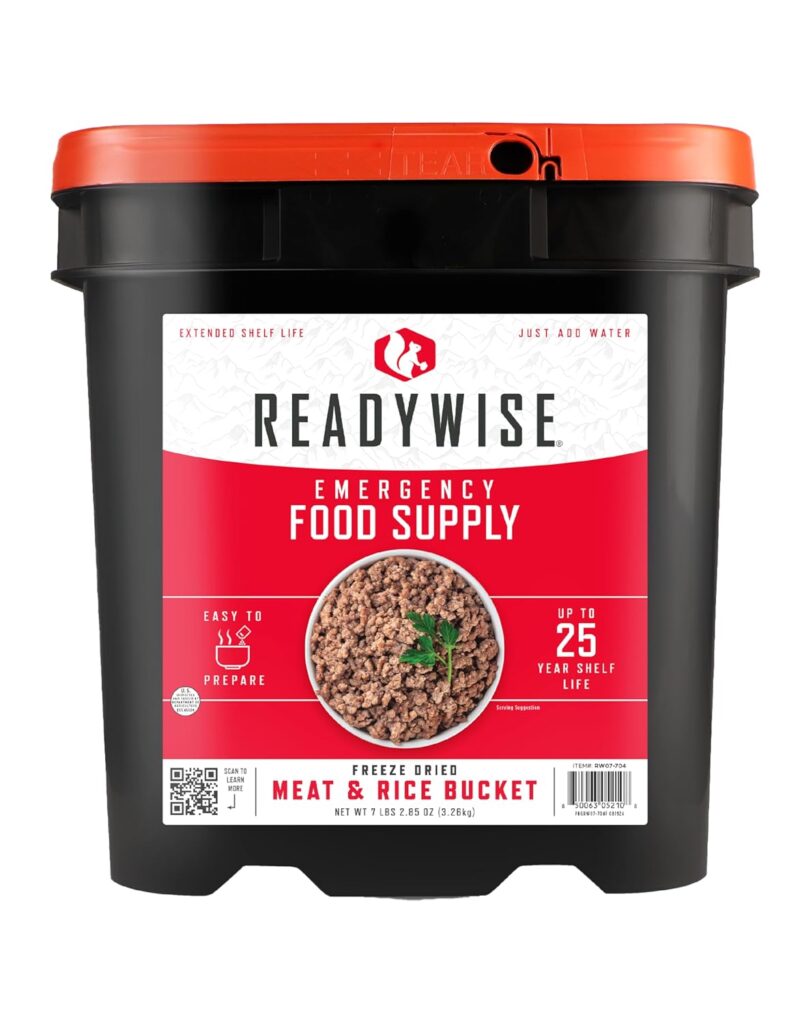
- Long-term shelf-stable food storage like Readiwise food survival supply.
- Protein bars, nuts, dried fruit, and other low-preparation foods.
- Pet food and a portable bowl.
- Infant formula, baby food, or other household-specific food needs.
Light, power, and communication
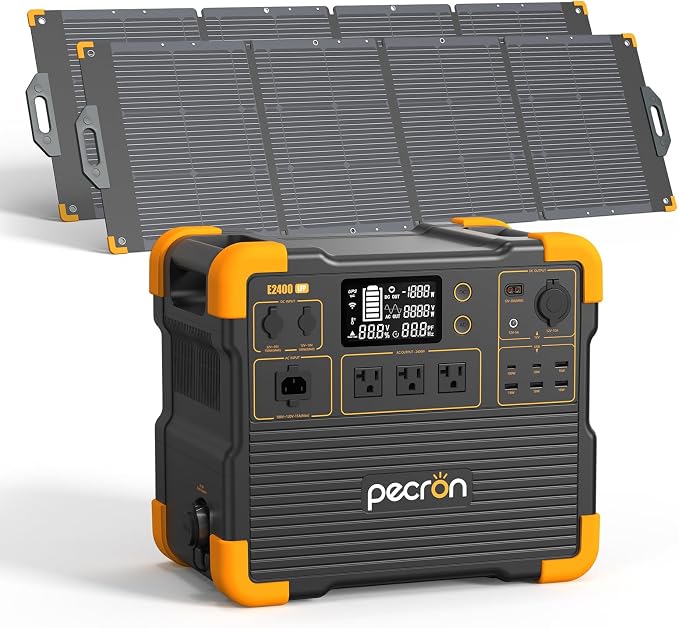
- Solar-Powered Pecron Portable Power Station, or another portable power station appropriate for your household.
- MPOWERD Luci Pro Outdoor 2.0 Inflatable Lantern and flashlights or headlamps for each household member.
- Extra batteries in the correct sizes, plus an Anker Bolder LC90 LED Flashlight or another rechargeable flashlight.
- An Anker 325 Power Bank and charging cables.
- A Midland ER310 Emergency Crank Weather AM/FM Radio or another battery-powered or hand-crank radio.
- A whistle for signaling.
- Paper contact lists with phone numbers, addresses, and an out-of-area contact.
First aid and personal health
- An Adventure Medical Kits Mountain Series Medical Kit, Guide or another well-stocked first-aid kit with adhesive bandages, gauze, antiseptic wipes, gloves, scissors, and tape.
- Prescription medicines and a written list of prescriptions, doses, and allergies. Ask a pharmacist how to prepare safely for disruptions rather than guessing.
- Copies of health insurance information and important medical records.
- Eyeglasses, contact-lens supplies, hearing-aid batteries, and other daily essentials.
- A thermometer and the over-the-counter medicines your household commonly uses.
- Masks, hand sanitizer, and soap.
Warmth, clothing, and shelter
- SOL Emergency Blankets, 3-Pack, blankets, or emergency sleeping bags.
- Sturdy shoes and work gloves.
- Extra socks and weather-appropriate clothing.
- Rain gear or a waterproof outer layer.
- Dust masks for smoke, dust, or debris.
- Tarps, plastic sheeting, and strong cord.
Sanitation and household tools
- Toilet paper, wipes, feminine-care products, diapers, and other personal-hygiene supplies.
- Heavy-duty garbage bags and ties.
- A bucket with a tight lid if local guidance recommends it.
- Soap, disinfectant, and household cleaning supplies.
- A LEATHERMAN Wave+ Multitool, pliers, wrench, duct tape, and basic hand tools.
- Waterproof matches or a lighter stored safely.
- A fire extinguisher.
- Plastic bins or waterproof bags to keep supplies together and dry.
Documents, pets, and family logistics
- Copies of identification, insurance policies, prescriptions, emergency contacts, and important account information in a document storage pouch.
- A recent photo and vaccination records for each pet.
- Leashes, carriers, pet medicines, and several days of pet supplies.
- A small comfort item, book, or activity for children.
- A Midland WR120B NOAA Weather Alert Radio, a map, and a written meeting place if phones or internet service are unavailable.
- A plan for family members who need mobility, communication, sensory, or medical support.
The best kit is the one your family can find, understand, and maintain. Check it twice a year. Replace expired food, water, batteries, medicines, and clothing that no longer fits. After a move, a new baby, a health change, or a major weather event, update the plan.
Preparedness also creates a chance to be useful beyond our own front door. Extra water can be shared. A charged power bank can help someone make a call. A printed contact list can help when a phone is lost. Knowing which neighbor may need extra time, transportation, medication support, or a check-in turns a pile of supplies into a small network of care.
You do not need expensive gear to begin preparing.
Just start with one thing today and you’ll be a little closer to being prepared.
Affiliate disclosure: The Good Daily may earn a commission if you purchase through some product links in this guide. Additionally, The Good Daily may be paid for promotion for in-kind trade for some products above.